
Why advertising isn’t foolproof… and why that’s not a problem
If advertising were foolproof, scaling a business would be simple. Increase budget. Increase revenue. Repeat.
But anyone who has run ads, whether in-house or with an agency, knows it doesn’t work quite like that. Some weeks performance climbs steadily, some weeks it dips without warning, and sometimes a new market shows promise, then slows.
That isn’t down to incompetence, or sabotage by an algorithm, it’s because advertising doesn’t operate in isolation. It operates inside your business, inside your market, and inside a constantly shifting environment, which means performance is shared territory - part platform, part management and part business fundamentals.
What brands quietly hope ads will do
When growth slows, advertising feels like the lever brands can pull. It’s measurable, controllable (in theory) and it responds quickly. It’s tempting to believe ads will:
Fix a quiet sales period
Unlock a new territory quickly
Offset rising costs elsewhere
Scale revenue on demand
And sometimes it can! But more frequently advertising amplifies what’s already working (and rarely fixes what isn’t).
✔️ If your offer resonates, ads accelerate it
✔️ If your margins are healthy, ads expand them
✔️ If your positioning is clear, ads reinforce it
However, if something in that system is fragile, ads will expose it just as quickly.
That’s not failure. That’s feedback.

No form of advertising is foolproof! This is what ad spend regret looked like in the Alps last week.
Why advertising can’t be foolproof
Markets (as well as snow storms) constantly move. Advertising sits inside a live marketplace, and that marketplace changes more often than we perhaps appreciate. Competition increases (note your high CPMs over peak trading periods), consumer spending behaviour shifts and platforms regularly (and often quietly) update.
None of this means ads stop working, it means they operate within changing conditions. Expecting fixed outputs from a shifting environment is where frustration can be born.
Rather than asking, “Why isn’t this working like it did last month?”, a better question is, “What’s changed, and what does this require from us?”.
Strong businesses don’t panic when performance fluctuates. They adapt.
When competition increases and costs rise, they might look beyond media metrics and ask whether their offer is compelling enough in a crowded environment. When consumer confidence dips, they consider refining their messaging, shifting from aspiration to reassurance, from urgency to value. When acquisition becomes more expensive, they examine lifetime value, retention and repeat purchase rather than expecting first-touch profitability to carry everything. When results plateau, they don’t assume the platform is broken, they review whether the creative, positioning or proposition needs to evolve.
In other words, they respect that paid media is dynamic, and growth is something that requires adjustment along the way.
Advertising isn’t foolproof because markets aren’t static. The brands that scale sustainably aren’t the ones who expect perfect consistency, they’re the ones who respond thoughtfully when conditions change.
Early wins aren’t always sustainable
There’s a relevant pattern many founders and marketing managers may recognise; week one looks strong, week two holds steady, week three slows.
Panic sets in.
But early results often sweep up the most ready buyers, people already primed, already interested, already aligned. Scaling means reaching the next layer, the people who need more reassurance, more education, more time.
That shift doesn’t mean ads ‘stopped working’. It means you’ve moved beyond the obvious demand.
Sustainable growth almost always requires iteration - stronger positioning, sharper messaging, improved conversion, better retention.
Advertising exposes where the next improvement is needed.
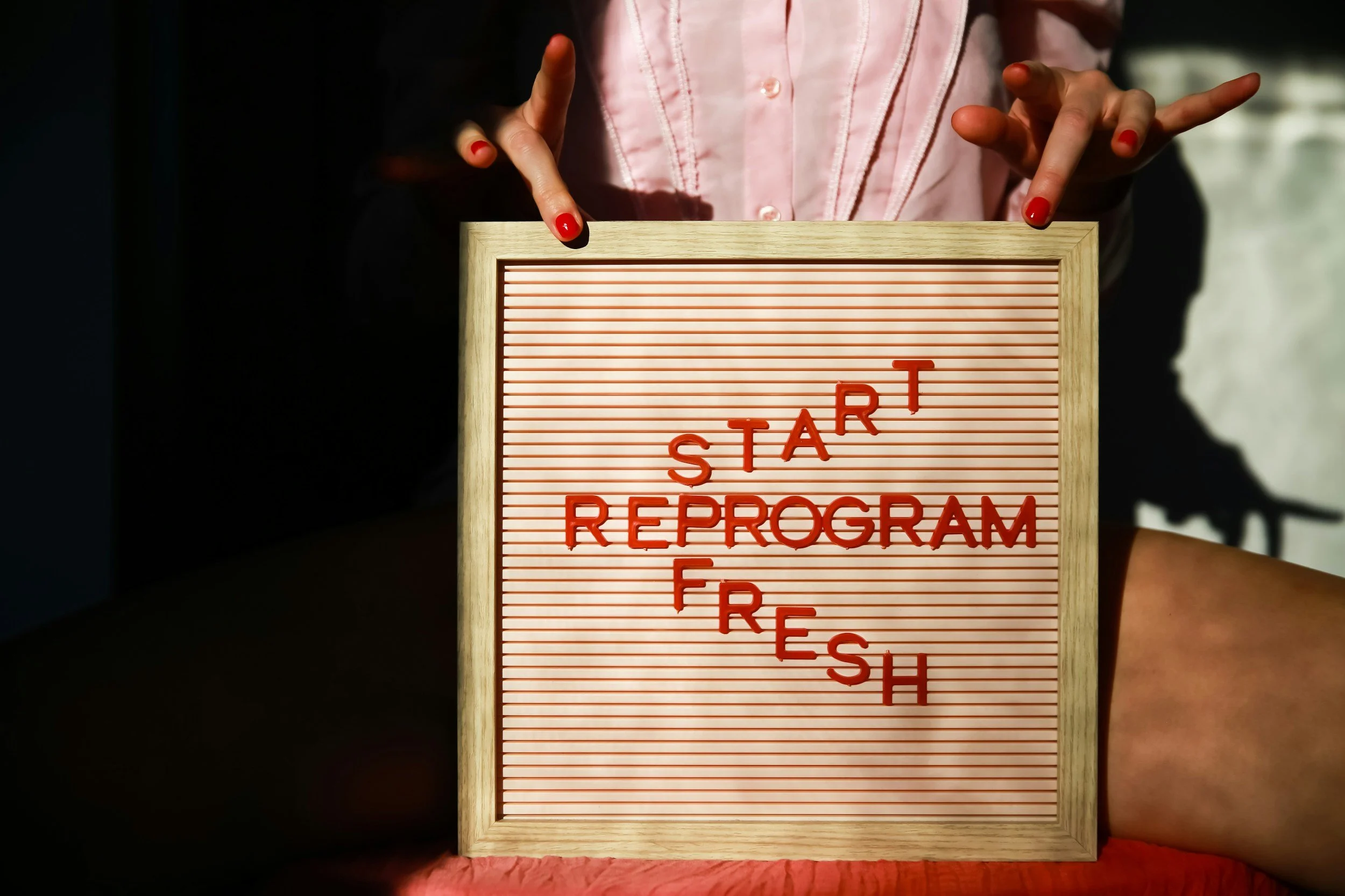
Why this isn’t a bad thing
If advertising were foolproof
There would be no competitive edge
Strategy wouldn’t matter
Brand wouldn’t matter
Everyone would scale equally
The fact that advertising isn’t guaranteed is exactly why strong businesses win. It rewards clear analysis, strategy, testing, creativity… and perhaps a little gall!
When something doesn’t work, it usually points to a constraint. And identifying constraints is where growth decisions get sharper.
What healthy, scaling businesses are doing
The most resilient brands don’t expect complete consistency from ads, but where performance dips, they expect information. They use paid media as a live feedback loop.
When performance shifts, they don’t just tweak campaigns, they ask bigger questions:
Is our proposition still compelling in this market?
Is our pricing aligned with perceived value?
Are we relying too heavily on first-purchase profitability?
Has our vertical become more crowded, and if so, how do we differentiate more clearly?
They don’t treat rising acquisition costs as a media problem alone, they treat them as a commercial signal.
Instead of demanding fixed ROAS, stable brands build flexibility into the business:
Healthy margins that can absorb fluctuation
Offers strong enough to compete in busier periods
Optimised retention flows which reduce pressure on first-touch performance
Creative that evolves as quickly as the market might
These brands understand that some weeks will outperform others, and that consistency doesn’t come from controlling every variable. It comes from building a business that can operate within reasonable volatility.
Advertising then becomes what it should be: a lever for growth, not a guarantee of it.
Where agencies fit in
It’s understandable to look for certainty when investing in paid media support. But certainty isn’t the point. The role of an agency isn’t to guarantee results, it’s to identify constraints and remove as many as possible to set you on your path to growth.
That might mean:
Improving creative direction
Adjusting offers
Highlighting pricing friction
Identifying opportunities to increase conversion rates
A good agency improves performance within the realities of your business, but recognises that (and responds to) external forces - competition, costs, behaviour - all shape results too.
Advertising isn’t foolproof, it’s a tool
Used thoughtfully, it can accelerate what’s already working and help you understand where to focus next. The brands that grow sustainably don’t expect perfection from their ad platforms every day, but they do expect learning and adjustment. They build steadily, refining their offer, strengthening their positioning, and responding to what the market is telling them.
Performance will fluctuate. That’s part of operating in a live marketplace.
But with clarity, consistency and a willingness to adapt, paid media becomes something powerful - not because it guarantees outcomes, but because it gives you the feedback and momentum to keep improving.
The right partner won’t promise certainty, but they will help you navigate shifting performance and changing markets. If you’d like to discuss paid media campaigns and your targets for 2026 with us, book in a call, we love finding out about new businesses and discussing growth!